
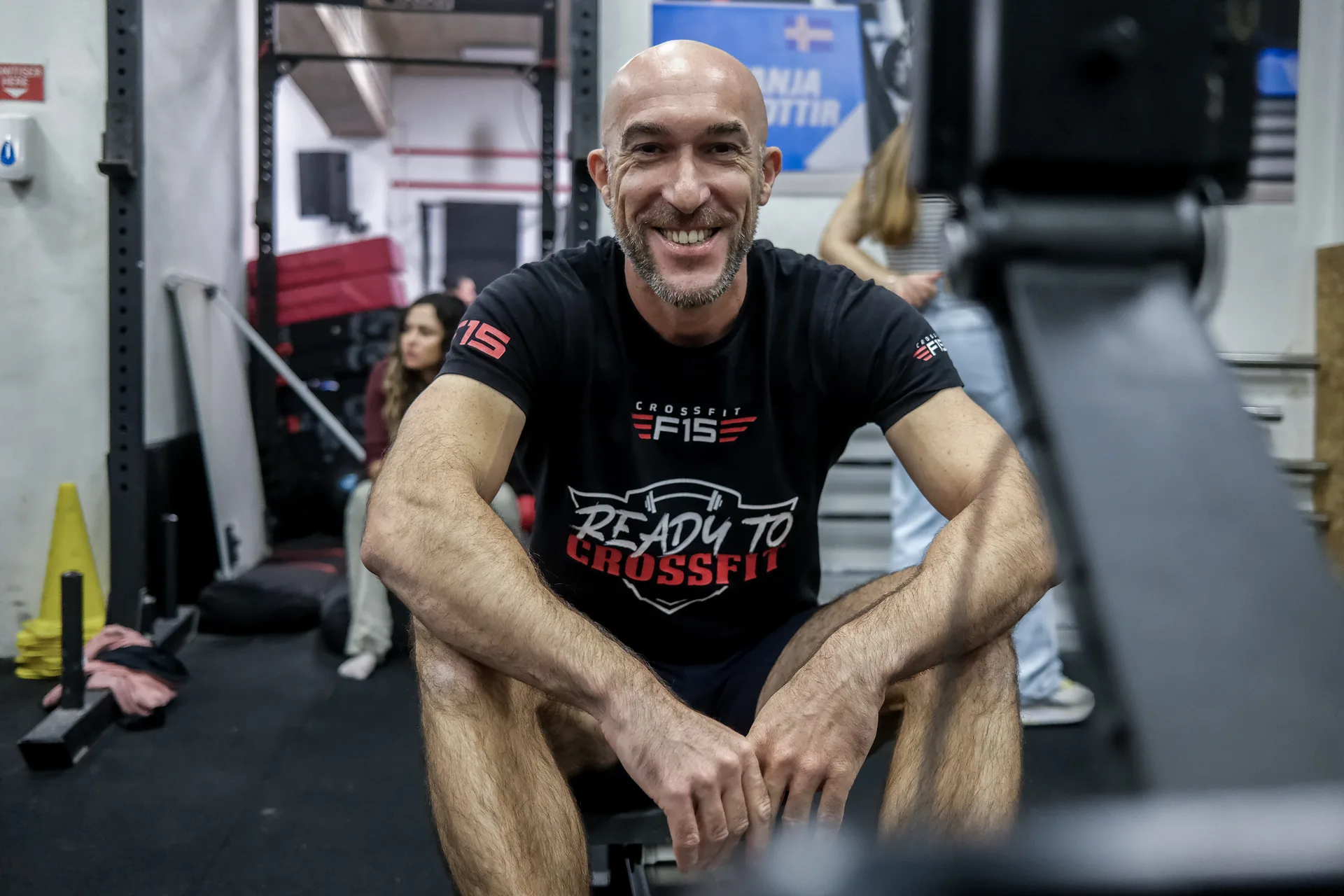
Returning to Fitness in Malta After Years Off
Returning to fitness in Malta after a long break is one of the hardest first steps in adult life. Work has stacked up, kids arrived, an old injury flared, or you simply stopped and never restarted. The body you had at 25 is not the body you have now, and walking into a gym for the first time in five or ten years can feel like turning up to a party where everyone knows the rules except you.
The good news: restarting is a solved problem. It just needs structure, patience, and a plan that matches where you actually are today, not where you used to be.
Why the First Attempt Usually Fails
Most people who try to get fit again in Malta follow the same pattern. They sign up in January, buy new trainers, hit the gym four times in the first week, wake up on day eight unable to move, and quietly disappear by February. The problem is almost never willpower. The problem is dosage.
When you have been sedentary for years, your muscles, tendons, joints, and nervous system have all adapted to low load. Going from zero sessions a week to five, or from bodyweight to loaded barbell work in one session, is like sprinting on day one of learning to run. Your cardiovascular system might handle it. Your connective tissue will not.
A better restart looks boring on paper: two or three sessions a week, movements you can control, weights that feel almost too easy, and slow progression over months rather than days. Boring works. Heroic does not.
What to Expect From Your Body
If you have not trained in years, expect the following in the first four to six weeks:
- Soreness after most sessions, especially in the legs and lower back. This eases as your tissue adapts.
- Poor coordination on new movements. Squats feel wobbly, overhead positions feel tight, balance is worse than you remember. This is normal and improves faster than strength does.
- Cardiovascular embarrassment. Getting out of breath from a short set of burpees or a 500 metre row is standard. It is also the fastest thing to change.
- Sleep changes. Most people sleep better within two to three weeks of training regularly.
- Appetite shifts. Hunger increases. This is where nutrition planning matters more than training volume.
None of this means you are broken. It means your body is recalibrating. The people who stick around long enough to see week eight are almost always shocked at how different they feel.
Choosing Where to Start in Malta
Malta has no shortage of gyms, from large commercial chains in Sliema and St Julian's to smaller functional facilities in Msida, Paola, and Valletta. The right choice depends less on the equipment and more on whether the environment is set up to guide a returner rather than assume you already know what you are doing.
A few questions worth asking before you sign anywhere:
- Do they offer a proper consultation before you start training, or do they just hand you a key card?
- Is there structured coaching in every session, or are you expected to write your own programme?
- Can they scale movements for someone who has not trained in years?
- Do they track progress with anything more than a scale?
- Will you know what to do on session two, or are you guessing?
If the answer to most of these is no, the gym might be fine for someone already fit, but it is a poor fit for a restart. Getting back to the gym in Malta works best when someone is actually paying attention to your form, your load, and your consistency.
The Value of a No-Sweat Consultation
Before you train, someone should sit down with you and ask about your history, your injuries, your schedule, your goals, and what has stopped you from sticking with fitness in the past. This is exactly the purpose of the 30-minute no-sweat intro at F15 Training CENTR. It is a conversation, not a workout, and it exists so the plan you follow actually fits your life.
From there, new members work through four private sessions with an onboarding coach before joining group classes. Those sessions cover the basics of functional movement, how classes run, how to scale workouts, and how to build intensity safely. By the time you join a group class, you are not the person in the corner hoping nobody looks at you. You know what you are doing.
Building the Habit That Actually Lasts
Restarting is not about the first session. It is about session number thirty, and whether you turn up for it. The habits that keep people training long term are usually small:
- Book sessions in advance. Fitness that depends on daily motivation loses to work emails every time.
- Train at the same times each week. Your calendar becomes the coach.
- Aim for consistency, not intensity. Two solid sessions a week for six months beats five brutal sessions for two weeks.
- Track something. Bodyweight, an InBody scan, a benchmark workout, or a single lift. Progress you cannot see is progress you stop believing in.
- Do not train through sharp pain. Soreness is fine, sharp pain is a signal to modify or rest.
Structured coaching helps with all of this because someone else is watching the pattern. If you disappear for two weeks, a good coach notices and checks in. That accountability is what separates a gym membership from an actual training routine.
Nutrition, Sleep, and the Boring Foundations
Training is one lever. It is not the only one. If you are eating poorly, sleeping five hours a night, and drinking three coffees to get through the afternoon, more gym sessions will not fix the underlying problem. Getting fit again in Malta works best when training, sleep, and food all move in the same direction, even slowly.
You do not need a perfect diet to start. You need enough protein to recover, enough sleep to adapt, and enough water to function in the Maltese heat. Small changes compound. A nutrition check-in a few weeks into training is often where the real body composition changes begin.
Your Next Step
If you have been thinking about starting over for a while, the practical move is to book a 30-minute no-sweat intro at the Msida facility. Bring your history, your questions, and whatever is worrying you. You will leave with a plan that matches your life, not a generic programme copied from someone else's Instagram.