
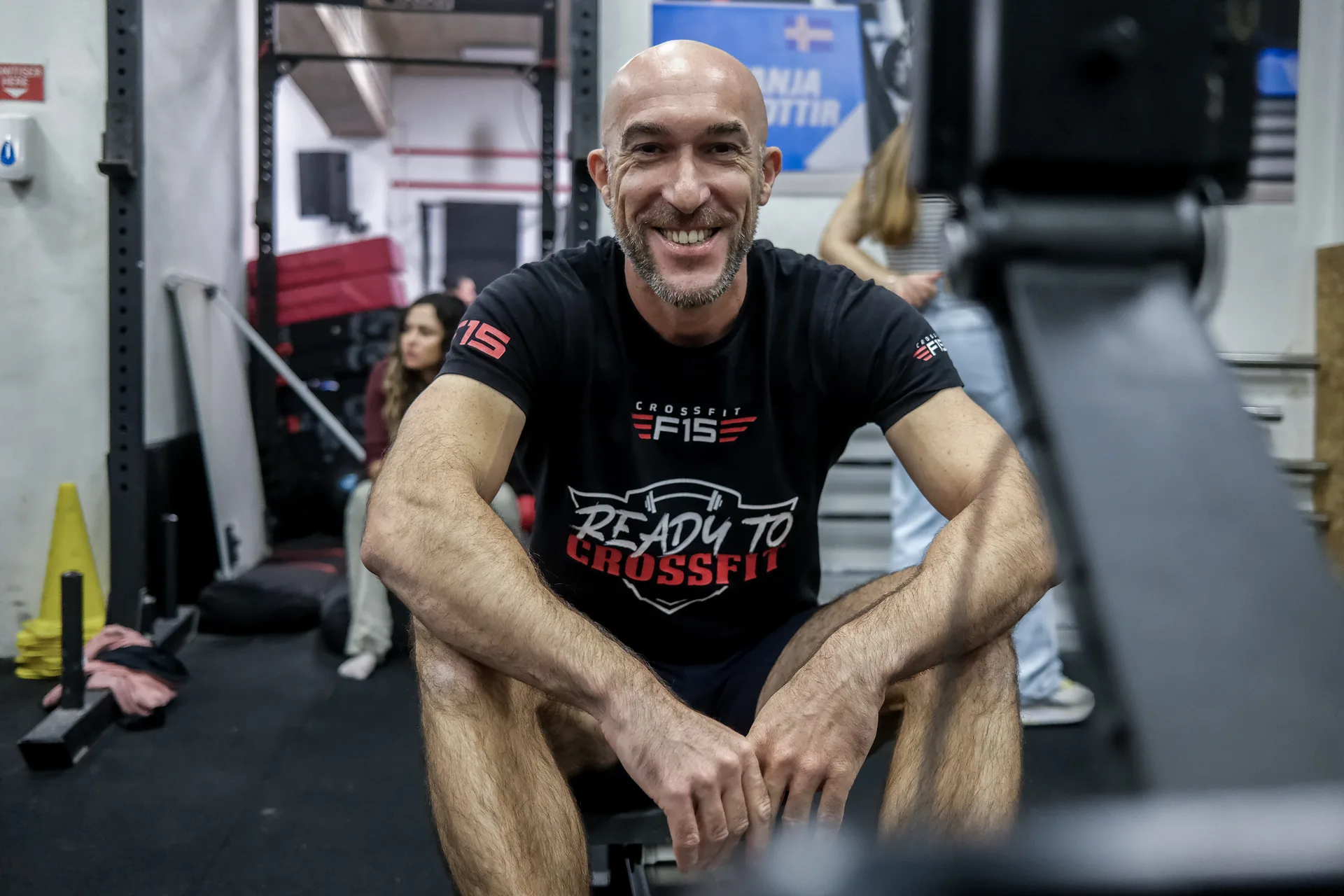
Returning to Fitness in Malta After Years Off
Coming back to training after a long break is one of the hardest fitness decisions to make, and often the most rewarding. Life happens. Work gets busy, kids arrive, an old injury lingers, a move to Malta reshuffles your routine, and suddenly it has been three, five, maybe ten years since you last trained with any consistency. Returning to fitness in Malta is very doable, but the way you restart matters more than the enthusiasm you bring to day one.
This guide is written for adults in Malta who used to train, or never really did, and want a sensible plan to get back in shape without wrecking themselves in the first fortnight.
Start With Honesty, Not Ambition
Most restarts fail in week two, not week one. The pattern is familiar: five sessions in the first week, sore for four days, one skipped session, guilt, another skipped session, done. The body that trained at twenty-five is not the body sitting on the sofa today, and pretending otherwise is the fastest way back to the sofa.
Before you book anything, write down three honest answers:
- How many days per week can you realistically commit for the next three months, not the next three weeks?
- What is your actual goal: weight loss, strength, energy, sleep, general health, a specific event like a HYROX race?
- What went wrong the last time you tried to get back into training?
That third question is the important one. If your last attempt failed because you tried to train six days a week around a full-time job, the plan this time cannot be six days a week. If it failed because you trained alone and got bored, solo gym sessions are not the answer.
Why Group Coaching Beats Solo Gym Time for Restarters
Malta is full of commercial gyms with rows of machines and a monthly direct debit. If you already know how to programme your own training, that model works. If you are restarting after years off, walking into a big-box gym usually ends one of two ways: you drift through the same three machines every visit, or you stop going within a month.
Coached group training solves both problems. Someone else designs the session, someone else watches your technique, and there is a start time you have to show up for. For a beginner gym in Malta, this structure is often the difference between a habit that sticks and another cancelled membership.
Group classes also scale. A good coach will give a beginner a lighter weight, a simpler variation, or a shorter interval, while the person next to them is going heavier. You are in the same room, doing the same workout, at your level. That matters when you are self-conscious about being the least fit person there, which almost every returner is, and almost no one else notices.
The First Eight Weeks: What Actually Matters
The goal of your first two months back is not to be fit. It is to still be training in month three. That reframe changes everything.
Frequency over intensity. Three sessions a week, every week, will beat five sessions one week and one the next. Consistency compounds. Intensity without consistency just produces injuries.
Technique before load. A squat with good positioning at bodyweight is more useful than a heavy squat with a rounded back. Every functional movement, whether it is a deadlift, a press, a lunge, or a sled push, has a pattern to learn first. Load comes later.
Recovery is training. Sleep, water, protein, and rest days are not optional extras. They are how the work you put in during a session actually turns into results. Two hard sessions with good recovery will do more than four rushed sessions on five hours of sleep.
Track something. Weight on the bar, reps completed, how a benchmark workout felt, resting heart rate, waist measurement, or an InBody scan. If you cannot measure it, you cannot see progress, and without visible progress most people quit around week six.
Nutrition: Keep It Boring and Repeatable
You do not need a complicated diet to get back in shape in Malta. You need a repeatable pattern of meals that includes protein at every meal, vegetables at most meals, enough carbohydrate to fuel training, and not so much alcohol that recovery suffers. That is roughly it.
The Mediterranean diet most people in Malta already know is a solid base: fish, chicken, eggs, legumes, olive oil, vegetables, fruit, wholegrains. The trap is not the food itself but portion drift and liquid calories: soft drinks, wine with dinner every night, coffees with syrup, a pastizz on the way to work. Fix the drinks and the snacks first, leave the main meals alone, and most people see progress within a month.
If you want structured nutrition support alongside training, ask about it during your onboarding conversation rather than trying to overhaul everything from day one.
How to Actually Book the First Session
The mental hurdle to walk into a gym after years off is bigger than the physical one. The way around it is to remove the ambiguity: know exactly what happens in your first session before you arrive.
At F15 Training CENTR in Msida, the first step is not a workout. It is a 30-minute no-sweat intro, which is a conversation about your goals, your history, your schedule, and what you are nervous about. From there, new members complete four personal training sessions with a coach before joining group classes, so you learn the movements and how the classes work before you step into one. If you want the full breakdown of what to expect, read how to start training again in Malta and book the intro from there.
Your Next Step
Pick a date this week. Book the no-sweat intro. Turn up in normal training clothes and have the conversation. You do not need to be fit to start, and you do not need a plan before you walk in the door. That is what the first meeting is for. Start with guidance, not guesswork, and the next three months will look very different from the last three years.