
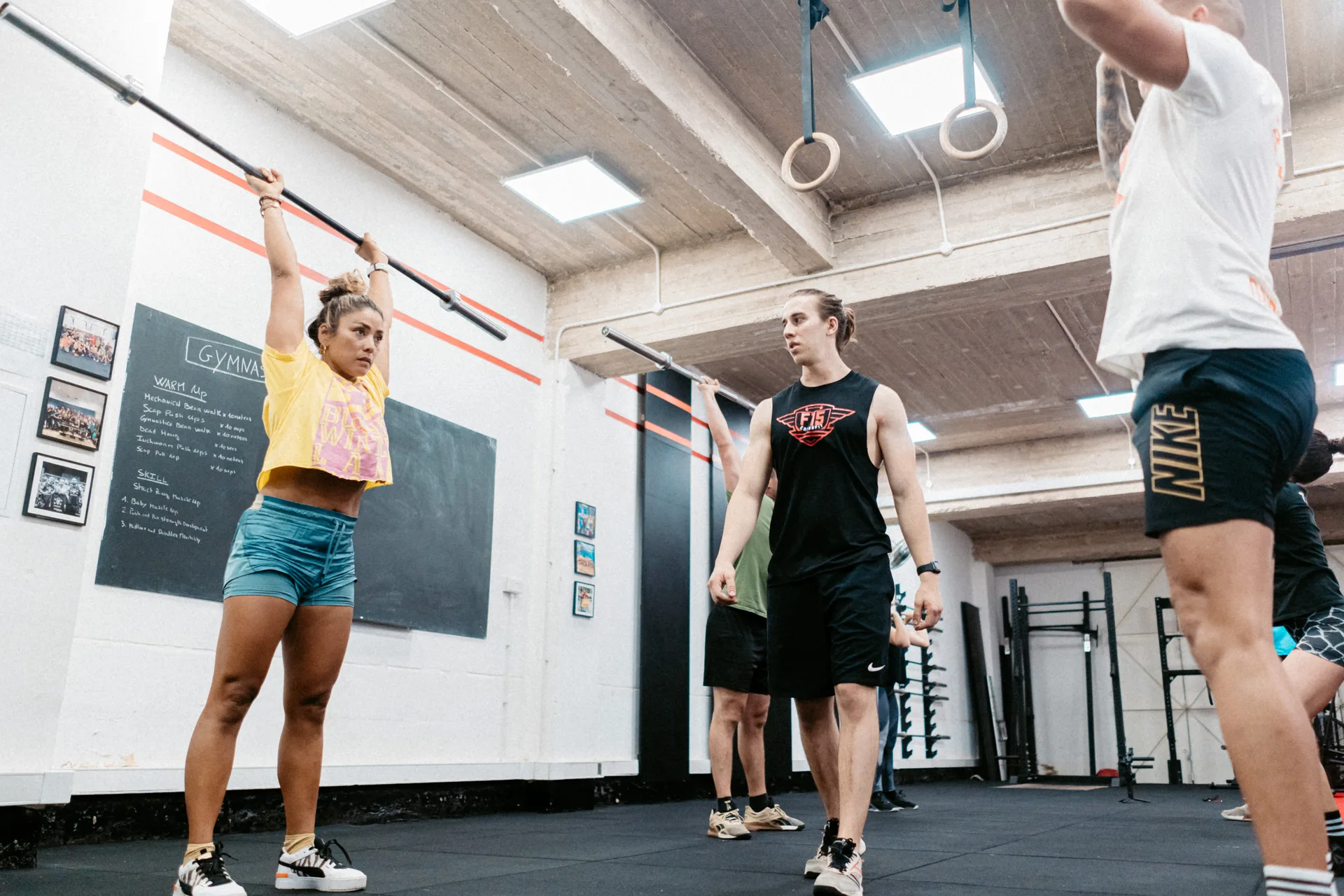
Strength training for weight loss in Malta: what actually works
Most people in Malta who want to lose weight start the same way. They cut calories hard, add a few runs along the Sliema front, maybe a spin class, and expect the scale to drop. It does, for a few weeks. Then it stalls. Energy tanks. Clothes fit slightly better in some places and worse in others. Motivation disappears.
The missing piece is almost always strength training. Not because cardio is useless, but because losing weight and improving body composition are two different problems. Weight is a number. Body composition is what that number is made of: muscle, fat, water, bone. If you only chase the number, you can lose weight and still look softer, feel weaker, and gain it all back within a year.
This piece explains how strength training changes that equation, why it matters more as you get older, and how to structure it if you live and train in Malta.
Why lifting beats endless cardio for fat loss
Cardio burns calories during the session. Strength training burns calories during the session too, but the bigger effect is what happens after. Muscle is metabolically active tissue. The more of it you carry, the more energy your body uses at rest. That means a person with 5 kg more muscle burns more calories sitting on the sofa than someone without it, every single day.
There is a second effect that gets ignored. When you diet without lifting, roughly a quarter of the weight you lose can come from muscle. Lose 8 kg on cardio and calorie restriction alone and you might lose 2 kg of muscle in the process. That is the reason people who "successfully" lose weight often end up looking thinner but softer. Skin, less muscle underneath, similar amount of fat percentage-wise.
Strength training flips that ratio. When you lift heavy things regularly while in a moderate calorie deficit, your body has a reason to hold on to muscle. It sheds fat instead. The scale might move slower, but the mirror moves faster.
Compound movements do the heavy lifting here. Squats, deadlifts, presses, rows, lunges, thrusters, wall-balls, sled pushes. These recruit large muscle groups at once, drive up heart rate, and produce the hormonal response you need for both strength and fat loss. A well-programmed session hits both boxes at the same time.
Lose weight after 40 in Malta: what changes
From your late thirties onward, the physiology shifts. You lose muscle mass at roughly 3 to 8 percent per decade if you do nothing about it. Testosterone in men and oestrogen in women both drop, which changes how you store fat. Recovery slows. Sleep quality often gets worse. Stress from work and family climbs.
None of that is a reason to give up. It is a reason to change tactics.
The people over 40 who actually get lean and stay lean have a few things in common:
- They lift weights 2 to 4 times per week, using real loads scaled to their level.
- They walk a lot. Not just gym sessions, daily movement.
- They prioritise protein at every meal.
- They sleep 7 hours or more.
- They stop treating weekends as a write-off.
Notice what is not on that list: two-hour cardio grinds, extreme calorie cuts, or another 30-day challenge. Those work short term and fail long term because they do not build the underlying muscle and habits that keep the weight off.
If you are returning to training after years off, the entry point matters. Structured coaching and scalable movements are what allow someone with a bad knee, an old shoulder issue, or zero recent training history to actually make progress instead of getting hurt in week two. The beginner-friendly onboarding at F15 Training CENTR is built for exactly this situation. A 30-minute consultation, four one-on-one sessions with a coach, then group classes at whatever pace suits you.
Body composition in Malta: how to measure what matters
If you only weigh yourself, you are flying blind. Muscle is denser than fat, so someone who trains hard for three months can look dramatically leaner while the scale barely moves. Without proper measurement, they think they have failed and quit.
Better tools:
- InBody scan. Segmental analysis of muscle mass, body fat, water balance. Repeatable, comparable, and takes under a minute.
- Girth measurements. Waist, hips, thigh, upper arm. Cheap, honest, and reveals fat loss the scale hides.
- Benchmark workouts. A repeatable session that tests strength and conditioning together. Faster times or heavier loads at the same body weight mean real progress.
- Photos. Same lighting, same clothes, monthly. Uncomfortable but useful.
At F15 Training CENTR we build these into the process. Every new member does an InBody scan and a benchmark workout as a starting point, then repeats both every three months. It removes the guesswork about whether something is working.
What a fat loss training week looks like
You do not need seven days of gym time. You need a few well-programmed sessions and enough daily movement to keep energy expenditure honest. A realistic week for most working adults in Malta:
- 3 strength-focused sessions (CrossFit, Functional Strength, or a mix)
- 1 stamina or HYROX-style session for conditioning
- 1 optional lighter session (mobility, technique work, or a Team Workout)
- 8,000 to 10,000 steps per day
- Protein at every meal, sleep protected
That is enough volume to drive real body composition change without wrecking recovery. Add nutrition support if food is where you keep slipping. A coach checking in every few weeks catches problems before they become plateaus.
Where to start
Fat loss training in Malta is not complicated, but it does need structure. Random workouts, random meals, random weeks produce random results. If you want a concrete next step, book a no-sweat intro at F15 Training CENTR in Msida. Thirty minutes, no workout, just a conversation about where you are now and what a realistic plan looks like from here.